
Market Info & Updates

Topics: PJM
Industries: All industries
PJM kept its cool last week as power markets in the midcontinent were struggling under the strain of record-setting energy demand due to a historic cold spell. Unlike what happened in Texas, grid reliability was maintained, and spot electricity prices remained under control. In PJM, the electricity futures market continues to trade sideways and largely rangebound between $26-30/MWh in the wholesale market across the entire region. Clearly, it will take more than wild weather to materially move this market.
This is good news for energy buyers with open short-term power positions. In fact, power for delivery in 2023 (black line) is cheaper than that for 2022 (blue line), as illustrated in Figure 1. This type of market phenomenon, where prices are less expensive into the future, is referred to as “backwardated”. Buyers with the ability to make a purchase a couple of years into the future should capitalize on this opportunity and speak to your Energy Advisor to assess your options.
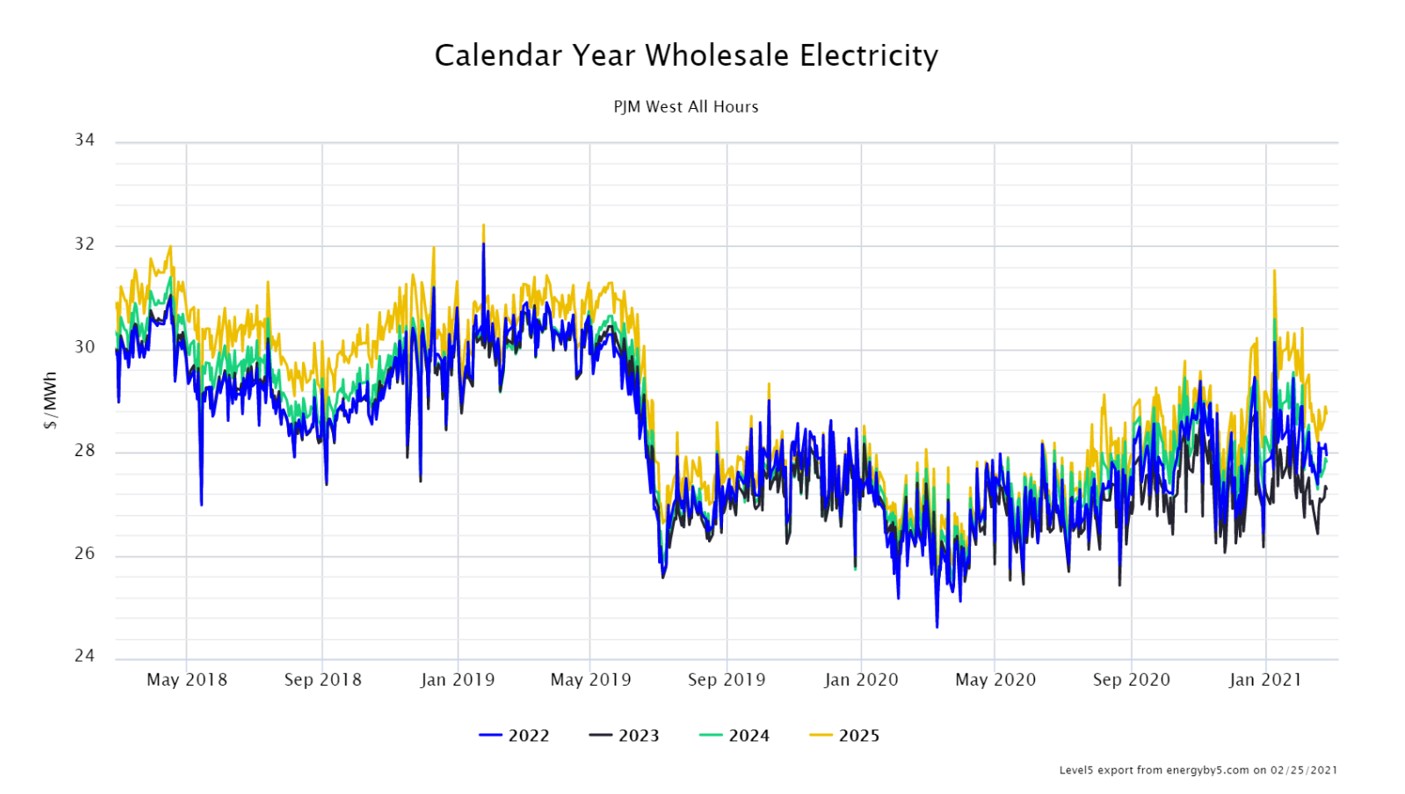
Figure 1: Calendar Year Wholesale Electricity PJM West All Hours from 5
PJM is the largest Regional Transmission Operator (RTO) in the country. The sheer size of this market, which moves electricity from Chicago to New Jersey, was one of the factors that worked in its favor and moderated electricity prices while prices were skyrocketing elsewhere. Winter Storm Uri devastated the ERCOT market, as millions were left in the dark and without heat and water for days. Other RTOs, such as MISO (the power market from Louisiana to Michigan) and SPP (just west of MISO and runs from Oklahoma up to the Dakotas), were not as fortunate as PJM as both suffered rotating power outages last week. Specifically, Entergy, a large utility that operates in MISO South (Louisiana, Arkansas and East Texas), was forced to rotate outages to 75,000 residential customers. With neighboring grids operating in emergency mode, PJM was able to export excess power to both SPP and MISO. Figure 2 shows the amount of electricity being imported by SPP over the course of last week’s critical demand for electricity.
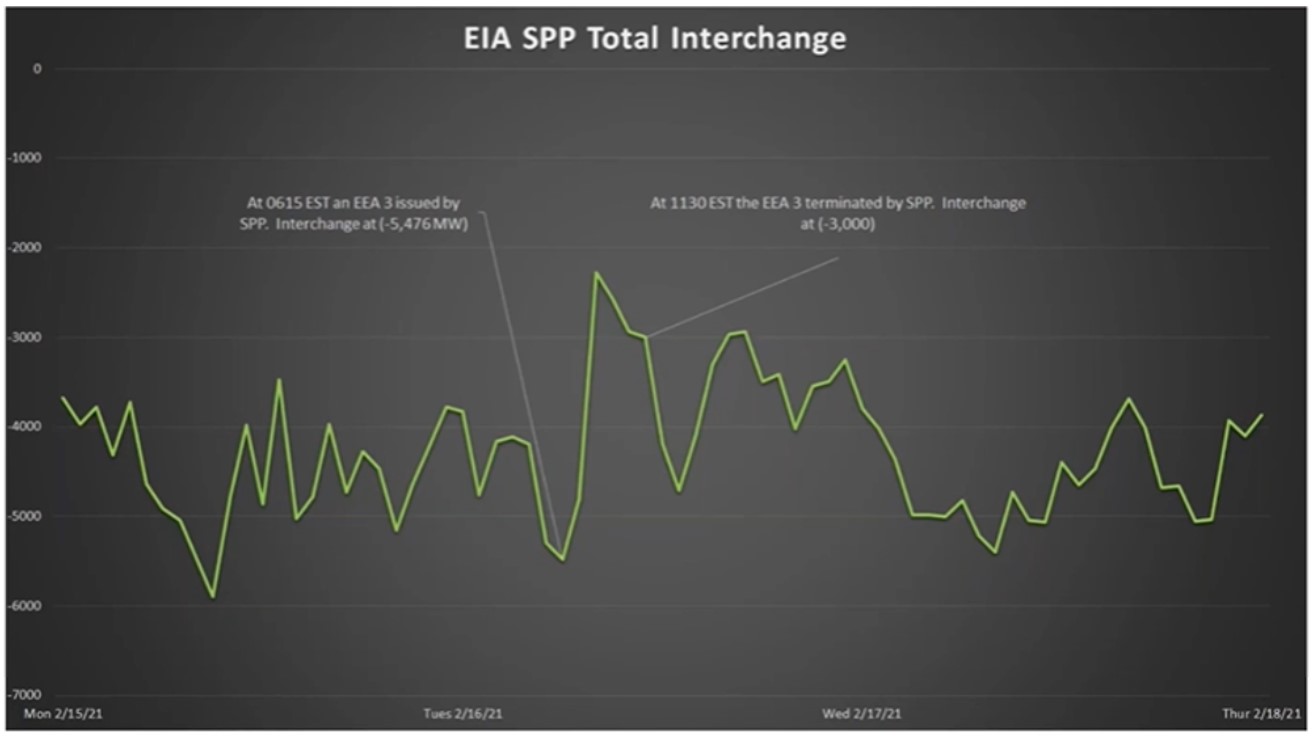
Figure 2: EIA SPP Total Interchange from enverus.com
As it turned out, the PJM grid operators got a helping hand from Mother Nature. The recent cold weather event came due south out of Canada, and then retreated back where it came from rather than sweeping across the eastern half of the US. While temperatures in Chicago and in the Ohio Valley were frigid, the mercury in the eastern section of PJM, including Pennsylvania and Maryland, did not fall nearly as low as what was experienced in the midcontinent. Figure 3 shows the temperatures across the major PJM load centers last week, where dark blue indicates below-average temperatures. Note that last week, many states in eastern parts of PJM are in white or light blue, which indicates that temperatures were at, or near, normal for this time of year.
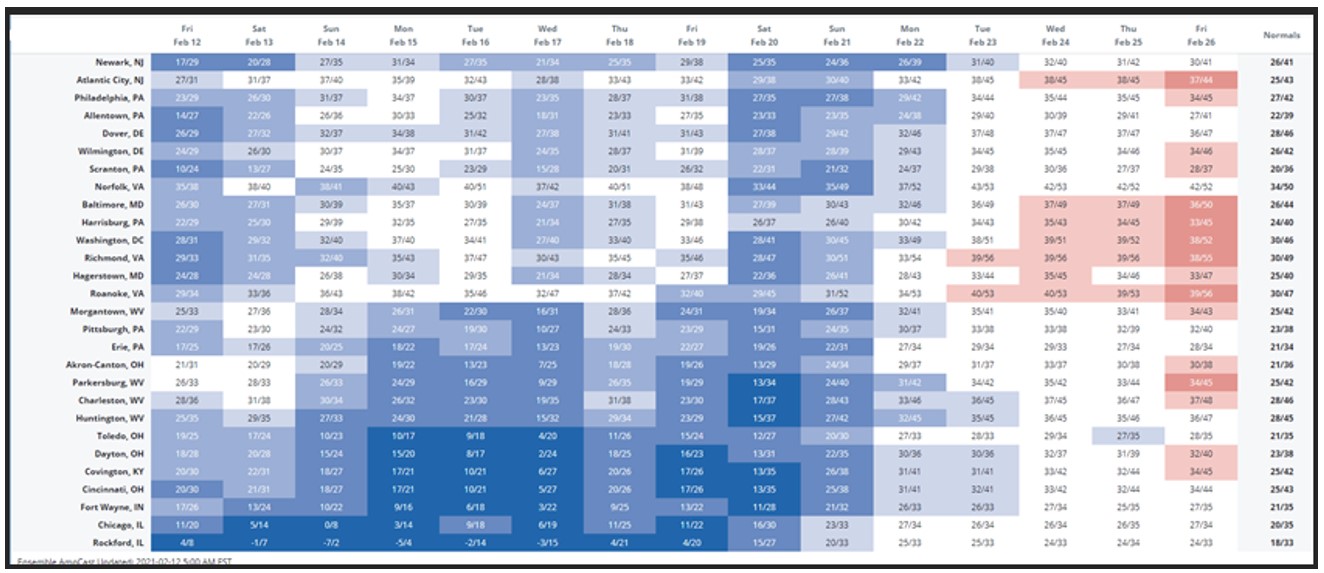
Figure 3: Temperatures Across Major PJM Load Centers from amperon.co
It was a different story in the western parts of PJM, where frigid temperatures produced extremely high spot prices on Friday, February 12th going into the President’s Day holiday weekend. The Chicago Citygate gas hub settled at $135/MMBtu over the long weekend, while prices at the Indiana gas hub settled at $75/MMBtu. Normally, spot natural gas prices for these gas hubs settle between $2-$3/MMBtu. Since spot natural gas prices have a big impact on spot electricity prices, there were significant price increases in both the day-ahead and real-time electricity markets in the ComEd service territory, which serves the greater Chicago area as shown in Figure 4.
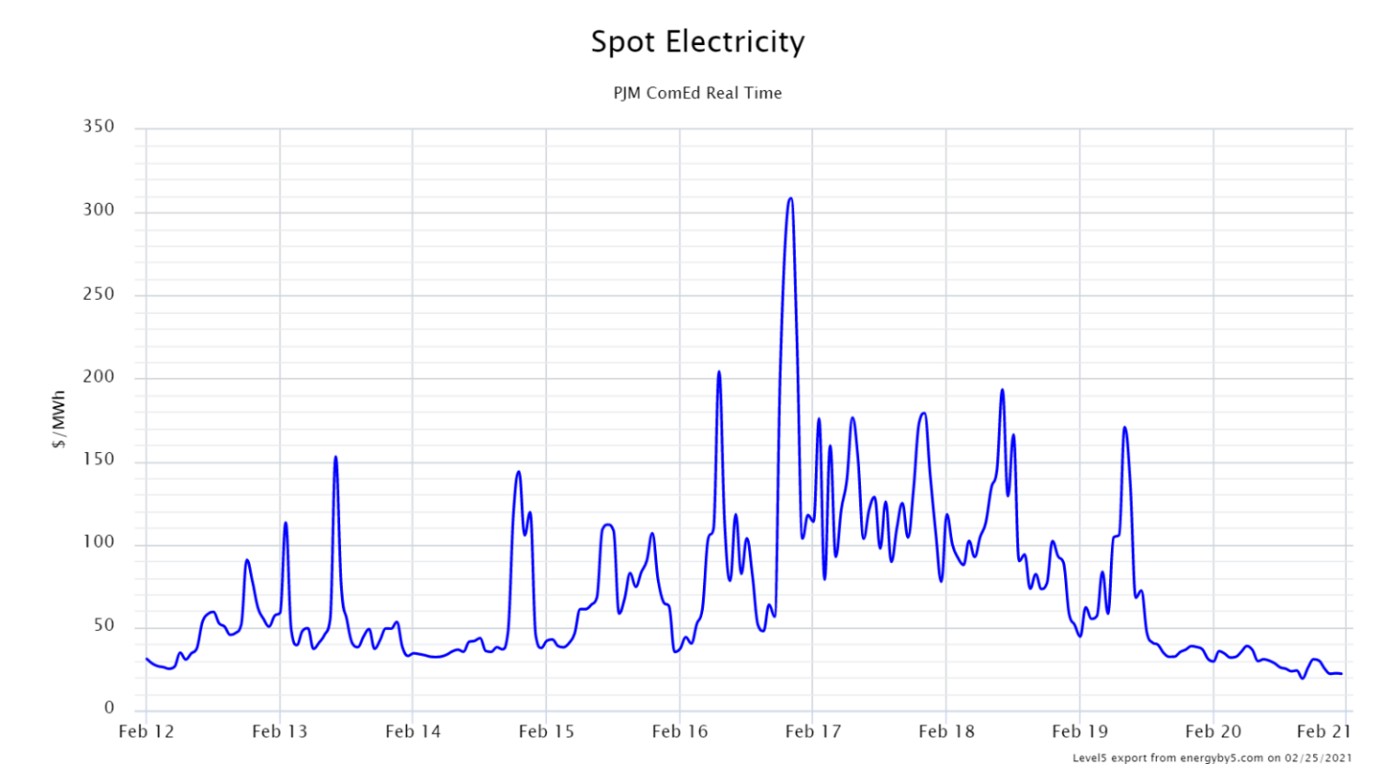
Figure 4: Spot Electricity PJM ComEd Real-Time from 5
PJM has been through power market crises before, which many industry observers and market participants alike are being reminded of as places like Texas thaw out. In 2003, PJM experienced a widespread blackout that cascaded from state-to-state and even affected Eastern Canada. And in 2014, PJM was hit with an extreme and sustained cold front that introduced us to the term “polar vortex”. Both events led to market reforms (like “capacity performance”) and to grid-hardening measures (like transmission upgrades) that have served to protect homes and businesses in the Mid-Atlantic region. Some of these lessons will likely be applied to other markets, such as ERCOT, as investigators work to identify corrective actions following last week’s events.

 Nov. 17, 2026
What El Niño and LNG costs could mean for winter energy prices
 Nov. 9, 2026
Bring Your Own New Capacity: A New Opportunity for Demand Response
 Nov. 4, 2026
5 Acquires Legacy Energy, Expanding Our Reach in PJM and MISO
 Oct. 9, 2026
Winter 2026-27 Outlook for Gas and Power Markets: 5 Things to Know from our Live With 5
 Sept. 10, 2026
Buy or Wait? Why Waiting is Also an Energy Buying Strategy
 Sept. 10, 2026
New Rules, New Developments: An Update on Data Center Regulation
 July 31, 2026
5 Things to Know From Our Webinar "How Data Center Growth is Reshaping Power Markets"
 May 20, 2026
5 Key Takeaways from Our "Navigating Energy Markets and the Middle East Conflict" Webinar
 April 27, 2026
What the Middle East Conflict Means for Energy Markets
 April 14, 2026
Coincidental Peak Alerts
 Feb. 24, 2026
Stress Test: How Winter Storm Fern Moved Energy Markets
 Feb. 24, 2026
Watts Next? 2025 Lessons and 2026 Predictions