Businesses regularly face a familiar question when purchasing electricity or natural gas: Should we buy now, or should we wait?
We regularly talk with businesses that choose to wait. Sometimes they are waiting for a budget to be approved. Sometimes there is uncertainty around future electricity or natural gas usage. Sometimes they want more clarity about where the market is headed. And sometimes they simply aren't ready to make a decision.
Those can all be perfectly valid business reasons. But there is an important market implication to waiting that buyers sometimes overlook: Waiting is a market position.
When you delay an electricity or natural gas purchase, you remain exposed to future market prices. For waiting to ultimately produce a better purchasing outcome, prices generally need to be lower when you eventually buy.
In other words, whether you think of it this way or not, waiting creates a bearish buying posture.
That doesn't mean waiting is necessarily wrong. It means buyers should understand the market position they are taking. Choosing not to purchase today is still a decision about tomorrow's market, and that decision should be evaluated just as carefully as the decision to buy.
Natural Gas Has Already Fallen Significantly
Figure 1 shows how the calendar year 2027, 2028, and 2029 Henry Hub natural gas strips have traded going back to January 2022.
Since December 2025, the 2027 calendar year contract has lost approximately 30% of its value and is now trading around $3.31/MMBtu and near a four-and-a-half-year low.
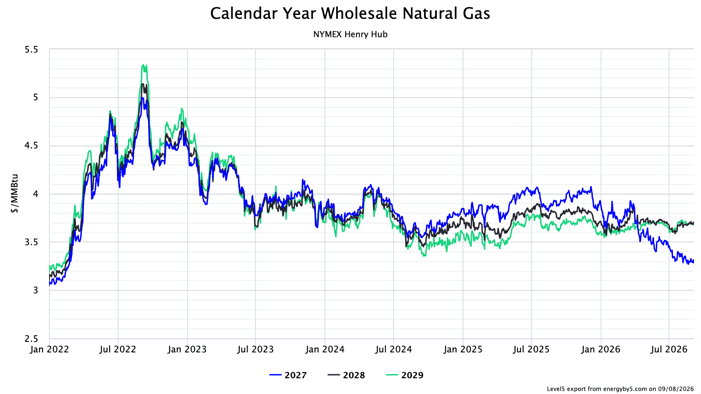
Figure 1: NYMEX Henry Hub Wholesale Natural Gas Prices, 5
This doesn't mean natural gas can’t go lower; markets can always surprise us. But consider the decision from a risk perspective. At today's prices, a buyer who waits is effectively taking the position that an already substantially lower natural gas market will become even more favorable before bullish forces cause it to move in the other direction.
Those forces include growing electricity demand, additional LNG export demand, geopolitical uncertainty and weather risk. There are bearish forces as well. Production can increase. Demand growth can slow down and weather can be mild.
The question isn't whether prices can go lower. The real question is whether the potential benefit of waiting is worth the risk of prices moving higher.
Texas Wholesale Electricity Has Followed Natural Gas Lower
Wholesale electricity prices in Texas have been following natural gas prices down. Figure 2 shows forward wholesale electricity prices for calendar years 2027, 2028, and 2029.
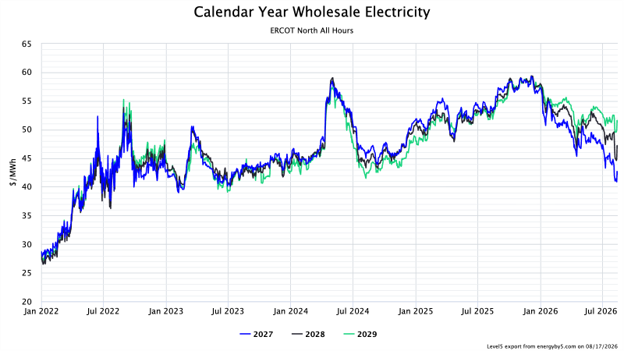
Figure 2: ERCOT Wholesale Electricity Prices, 5
Like natural gas, ERCOT wholesale electricity prices have been falling since December 2025. In eight months, the wholesale price for calendar year 2027 fell approximately 30%, from a high of $59.30/MWh in early December to $42.70/MWh on August 12.
That correction has created meaningful value for electricity buyers.
Again, prices could go lower. But a business choosing to wait at $42.70/MWh is implicitly making a different decision than it was when the market was $59.30/MWh.
The market has already moved substantially in the buyer's favor.
Waiting for an even better price means continuing to accept market exposure in hopes that the decline continues.
What About a Market Where Prices Are High?
Outside Texas, wholesale market dynamics look very different.
Figure 3 shows wholesale electricity prices at the PJM West trading hub. Unlike ERCOT, prices there have been on a steady rise for more than a year even against the backdrop of falling natural gas prices. The calendar year 2027 strip recently reached $70/MWh, an all-time high for that time period.
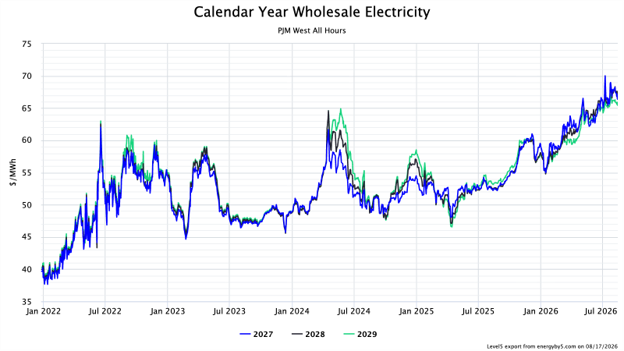
Figure 3: PJM West Wholesale Electricity Prices, 5
One might look at Figures 2 and 3 and reach opposite conclusions. ERCOT prices have fallen substantially, so perhaps this is a good time to buy. PJM prices have risen substantially, so perhaps it makes sense to wait for prices to come back down.
But notice something important: The market position created by waiting is the same in both cases. Waiting in ERCOT assumes there is enough additional downside opportunity to justify remaining exposed. Waiting in PJM assumes today's elevated prices will eventually come down.
Both are bearish buying positions. That does not automatically make either decision wrong. But buyers should recognize that “doing nothing” isn't actually neutral.
The Market Doesn't Know You're Waiting
This is where today's energy environment becomes particularly important. There are currently several identifiable forces that could put upward pressure on natural gas and electricity prices.
Expected electricity demand from data centers and other large users continues to grow. LNG exports increasingly connect U.S. natural gas to global markets. Geopolitical uncertainty remains elevated, including questions surrounding energy flows through the Strait of Hormuz. Weather remains another important variable, with extreme summer and winter temperatures capable of changing natural gas demand and regional power market conditions quickly.
The purpose of discussing bullish market forces isn't to frighten buyers into making a purchase. Energy markets are unpredictable, and bearish developments could emerge that send prices lower.
But the balance of identifiable risks matters when deciding how much market exposure a business wants to maintain. When prices have already fallen materially, as they have in natural gas and ERCOT, waiting for further declines should be an intentional decision rather than the default.
And when prices are already elevated, as they are in PJM, the answer doesn't necessarily have to be locking 100% of the requirement at today's price. A bullish market calls for a different purchasing strategy and not necessarily an all-or-nothing decision.
Waiting Is Still a Decision
This is really the point. Businesses spend considerable time thinking about whether they should buy electricity or natural gas. They should spend just as much time thinking about the implications of not buying.
Waiting feels passive, but from a market-risk perspective, it isn't. When a business leaves an upcoming energy requirement open, it continues to accept whatever the market does next. If prices decline, waiting can be rewarded. If prices increase, the business pays the higher price. That is market exposure.
The right question isn't simply: “Should we buy now or wait?”
A better question is: “Given today's pricing and the balance of upside and downside risks, how much market exposure are we comfortable continuing to carry?”
That turns the purchasing decision into a risk-management decision.
There will always be reasons to wait: budgets, holidays, changing forecasts, internal approvals, or simply the hope that the market will offer a better opportunity later.
Markets, unfortunately, don't operate on our calendars.
That doesn't mean the answer is always to buy. It means waiting should be an intentional purchasing strategy rather than the default.
If you're unsure whether waiting makes sense in the current market, reach out to your 5 energy advisor. We can help you understand the forces moving prices, evaluate the risks on both sides, and determine whether your current buying posture aligns with your organization's risk tolerance.
Not sure whether buying now or waiting is the right move?
Talk with a 5 energy advisor to evaluate today’s market conditions, understand your exposure and build a purchasing strategy that aligns with your organization’s risk tolerance.