
Market Info & Updates

Topics: Natural Gas
Industries: All industries
In New York, natural gas is the new front in the war on climate change. While natural gas is much cleaner than coal, environmental groups argue that expanding natural gas infrastructure (building pipelines that transport gas, new gas power plants, and/or new buildings that use natural gas) will result in increases in upstream methane emissions and dampen efforts to switch to carbon free sources. Due in part to environmental opposition, permits have not been granted for the construction of the infrastructure needed to support increased usage of natural gas. As a result, in certain parts of the State, the natural gas infrastructure cannot support new natural gas demand.
Natural gas shortages have caused gas utilities in Lansing (NYSEG service territory), Westchester (ConEdison), New York City and Long Island (National Grid) utilities to impose restrictions on new gas connections. New customers in these utility territories are unable to connect to the existing natural gas delivery system and customers seeking to return to the system after making renovations are finding they cannot get their gas service restored, even when there is no increase in demand.
These utilities point to the State’s failure to permit the construction of new natural gas infrastructure when defending their gas moratoriums.[1] They argue that they cannot get enough gas to serve new customers during periods of peak usage. For example, National Grid imposed its moratorium when the State blocked permitting for the Williams Northeast Supply Enhancement pipeline. As discussed in 5's Quarterly Letter earlier this month, this relatively short underwater pipeline is needed (according to National Grid) to bring sufficient supply of natural gas from the gas producing regions of Western Pennsylvania to New York City. A map of the proposed pipeline is below:
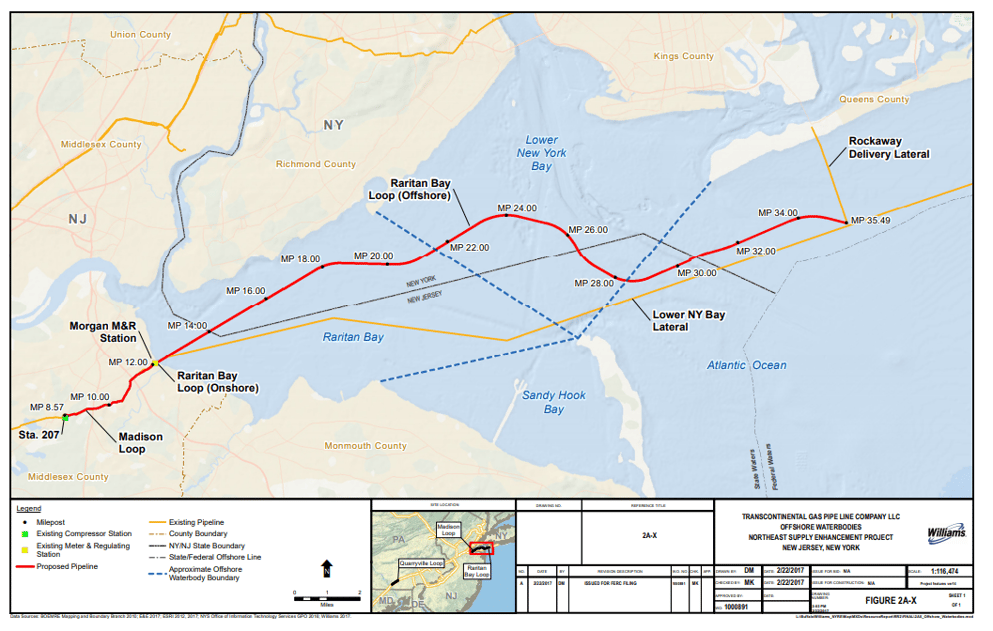 Figure 1: Offshore Project Map, by Williams - Northeast Supply Enhancement
Here is where it gets interesting. Governor Cuomo, who strongly opposed the Williams Pipeline, is equally adamant in refusing to accept National Grid’s refusal to hook up new gas customers. Governor Cuomo recently took National Grid to task arguing that:
“It is the fundamental responsibility of our utilities to provide reliable service……National Grid has acted in bad faith throughout the process – first by denying over 1,100 eligible customers with service and now by failing to fulfill its core responsibility. Today, National Grid is being ordered to immediately connect those 1,100 customers, and I have directed DPS to expand their ongoing investigation to include potential negligence in not preparing for the months ahead. Make no mistake, New York will hold National Grid accountable.”
But if National Grid is telling the truth and they need the Williams pipeline to secure supply, who is holding Governor Cuomo and New York’s regulators accountable? In recent statements, Governor Cuomo is walking back his opposition to the Williams pipeline, stating that the legislature, not the Governor, should decide the fate of the Williams pipeline. It is always interesting to see what happens when the politics of climate change comes up against the politics of an energy shortage. We see a similar conflict in California.
The City of Berkeley, CA, voted in July to ban natural gas from all new low-rise residential buildings. The city plans to expand this ban to include commercial buildings and larger residential structures in the near future. San Jose followed suit in September, banning natural gas appliances in new single-family homes and new low rise and multi-family structures. San Francisco, Santa Rosa, Menlo Park and Petaluma are among other cities in California considering similar natural gas bans. While these bans do not take effect until 2020, California is dealing with a more immanent climate-related threat - wildfires.
[1] New York is no fan of natural gas. In fact, in December 2014 New York banned hydraulic fracturing as a means of extracting natural gas from the state’s plentiful shale reserves.

 Oct. 9, 2026
Winter 2026-27 Outlook for Gas and Power Markets: 5 Things to Know from our Live With 5
 Sept. 10, 2026
Buy or Wait? Why Waiting is Also an Energy Buying Strategy
 April 27, 2026
What the Middle East Conflict Means for Energy Markets
 Feb. 24, 2026
Stress Test: How Winter Storm Fern Moved Energy Markets
 Feb. 24, 2026
Watts Next? 2025 Lessons and 2026 Predictions
 Dec. 9, 2025
The Coming Surge: What Large Energy Users Need to Know About 2026 Electricity Prices
 Aug. 20, 2025
August 2025 - Energy Market Letter
 April 25, 2025
Locking in Energy Rates Now Could Benefit Your Business
 Jan. 14, 2025
WINTER POWER OUTLOOK: RELIABILITY & RISK ASSESSMENTS ACROSS KEY MARKETS
 Aug. 29, 2024
SUMMER 2024 MARKET REVIEW
 June 26, 2024
How Hurricanes Affect Energy Prices
 May 14, 2024
May 2024 - Energy Market Letter