Long Story Short
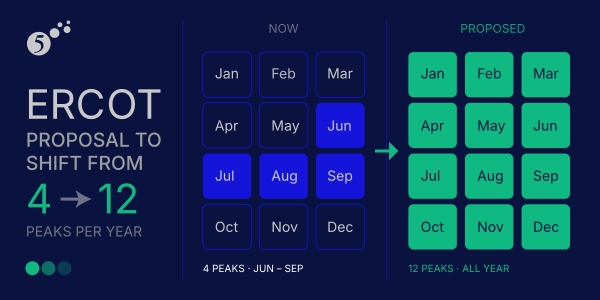
The Texas PUC is proposing to move from a 4-coincident-peak (4CP, the 4 summer months) to a 12-coincident-peak (12CP, every month of the year) methodology for transmission cost allocations.
The Move to 12CP
The Public Utility Commission of Texas is considering a significant change to how wholesale transmission costs are assigned and recovered in ERCOT with a target date by Dec. 31, 2026 for implementation. While this may sound like an “inside baseball” regulatory update, customers who have historically managed their 4CPs to control transmission costs will find this game much harder to play. The benefit: less cost avoidance across the board means rates should, in theory, go down. More pressing to legislators is that this makes it much harder for large loads in Texas (defined as over 75 MWs) to avoid their fair share of transmission costs.
What’s Changing
Today, ERCOT transmission costs are largely allocated using the 4CP methodology, which ties a customer’s cost responsibility to their demand during the four monthly system peaks in June through September. Because these four peaks can determine a full year of transmission costs, customers have had a strong incentive to curtail during these intervals. That worked well for sophisticated customers who could manage it, but it concentrated cost allocation around a small number of hours. As the Texas grid changes, the PUCT staff argue that a narrow summer-only window no longer reflects how transmission investments are used or caused across the system.
The proposal would replace 4CP with 12CP, meaning transmission costs would be assigned based on coincident peak demand in each of the twelve months of the year. It would also codify the use of 30-minute intervals to measure those peaks. In practical terms, this spreads the cost-allocation signal across the entire year and makes monthly peak management more difficult.
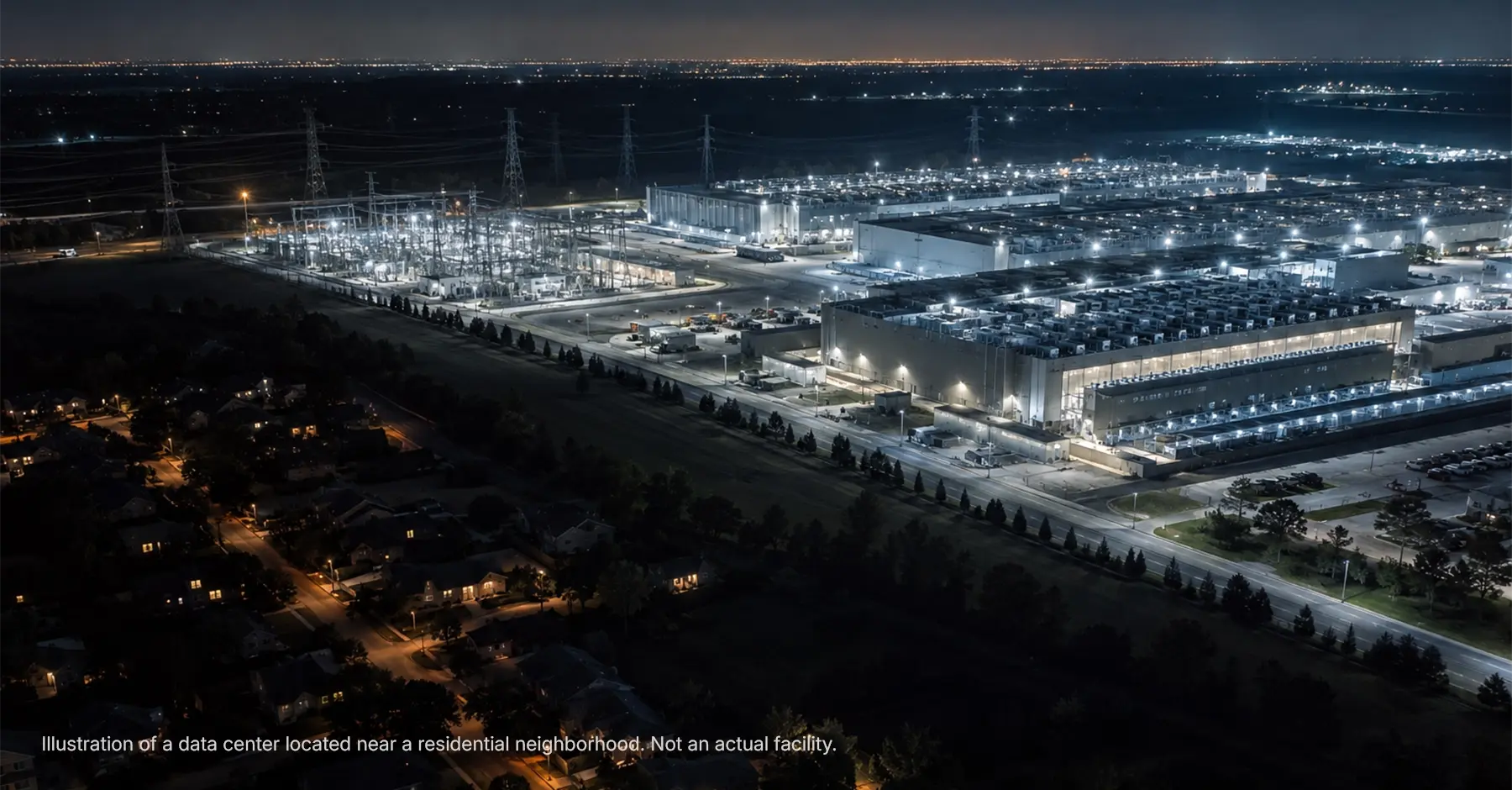
Cost causation and fairness are driving the proposal. Texas is experiencing rapid growth from large electric loads, including data centers, industrial electrification, and other energy-intensive projects. These require major transmission investment, and regulators are increasingly focused on ensuring that the customers and customer classes driving system costs are paying their appropriate share. Moving to 12CP is meant to align transmission cost recovery with year-round grid usage, rather than a limited set of summer peaks that sophisticated customers can strategically avoid. The goal is to reduce cost shifting and tie allocation more closely to how the grid is actually used."
The proposal goes beyond swapping four peaks for twelve. It would require certain Distribution Service Providers to provide ERCOT access to settlement-quality meter data for each Large Load customer in their service territory. That data access matters because accurate, customer-specific demand information is needed to calculate 12CP responsibility and ensure wholesale transmission charges align with retail recovery by rate class. The proposal also adjusts distribution-level billing determinants so costs assigned at the wholesale level flow through more consistently to retail customers. And Large Load customers would face a minimum billing demand, designed to prevent these customers from avoiding transmission responsibility in ways that don’t reflect the infrastructure costs built to serve them.
For customers, the headline is simple: transmission cost exposure may become more continuous, more data-driven, and harder to manage through a few isolated summer curtailment events. Flexible operations can still reduce costs, but a handful of well-timed curtailments probably will not be enough. A more consistent, monthly approach will likely be required.
The proposal also signals where Texas energy policy is heading.
As load growth accelerates, regulators are connecting grid planning, cost recovery, and customer behavior more directly. Customers who understand these changes early can make better decisions about operations, contracting, budgeting, site planning, and demand flexibility. Those who do not may be caught off guard when transmission charges stop depending on a handful of summer peaks and start reflecting their year-round draw on the ERCOT system.